
The Role of Color and Patterns in World Cup Jerseys
In the world of football, the jersey is more than just a piece of clothing. It’s a symbol of national pride, a declaration of team identity, and a canvas for cultural expression. The colors and patterns on World Cup jerseys are imbued with meaning, influencing how teams are perceived, how fans connect to their nations, and even how players feel on the field. This article delves into the crucial role of color and patterns in World Cup jerseys, exploring their cultural significance, psychological impact, and evolving design history.
Jersey Color Symbolism: More Than Meets the Eye
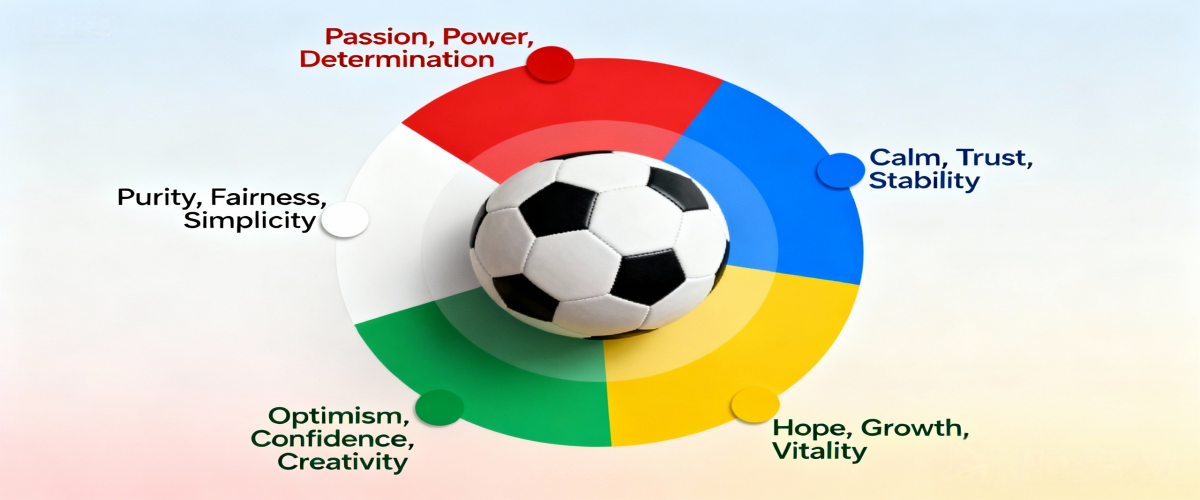
Colors have long been associated with emotions, identities, and cultural values. In football, the colors on a team’s World Cup jersey are far from arbitrary. They are carefully selected to embody the essence of a nation. The psychology of color plays a significant role in how both players and fans perceive the team.
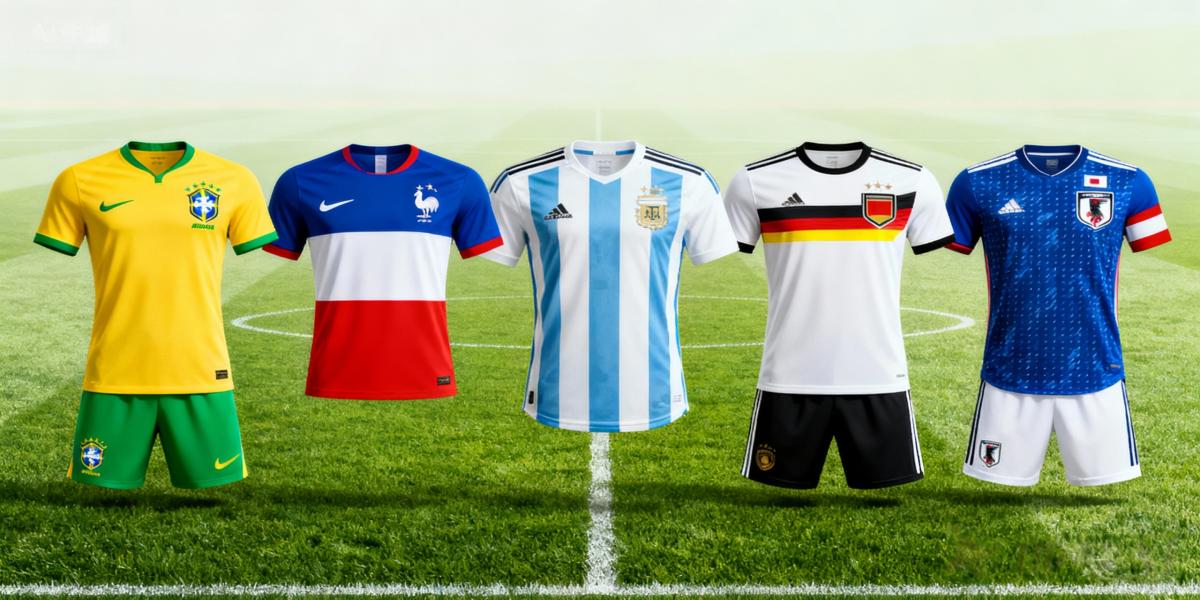
For example, red often symbolizes strength, passion, and aggression, which is why it is commonly used by powerhouse teams like Spain and Germany. The intensity of red can invoke a sense of power and energy on the field, energizing the team and striking fear into opponents. Blue, on the other hand, represents calm, stability, and tradition. The French Les Bleus, Argentina, and Italy have used various shades of blue in their jerseys to convey a sense of legacy and unity. These colors resonate with the national identity and the team’s aspirations.
Another prominent example is green, a color frequently associated with vitality, hope, and renewal. It is no surprise that countries like Brazil and Mexico, known for their vibrant football cultures, have adopted green as a central element of their World Cup jerseys. The association between green and these teams reflects their energetic and dynamic playing styles, full of hope and passion.
National Identity and Jerseys: A Reflection of Patriotism
Football jerseys are a visual representation of a nation’s spirit, history, and identity. The colors chosen for World Cup jerseys often reflect national flags, cultural symbols, and even historical events. For instance, Italy’s blue jerseys, often referred to as “Azzurri,” are deeply tied to the country’s royal heritage and tradition. The color blue represents the Italian royal family and the unification of Italy, making it a potent symbol of national pride.
On the other hand, Brazil’s yellow and green jersey is a direct link to the country’s vibrant flag, symbolizing the energy and hope inherent in Brazil’s football culture. These color choices transcend mere aesthetic appeal—they evoke national pride, uniting the team and the fans under a banner of shared history and cultural significance.
Football Shirt Patterns: The Evolution of Designs
While colors are symbolic, the patterns on football shirts also carry significant meaning and impact. Over the years, World Cup jerseys have evolved from simple, functional designs to intricate and innovative works of art. The patterns on these jerseys can be just as significant as the colors themselves, often telling a story about a nation’s cultural background or footballing heritage.
In the early years of the World Cup, jerseys were relatively basic—solid colors with minimal patterns. However, as football grew in popularity, designs began to incorporate more intricate patterns and details. For example, in the 1990 World Cup, Germany’s jerseys featured bold geometric patterns that set them apart from other teams. The use of angular shapes and sharp lines reflected the country’s modernity and precision, aligning with its reputation for efficiency and discipline.
More recently, countries have leaned into iconic jersey patterns that pay homage to national heritage. Morocco’s 2022 World Cup jersey, with its geometric designs, is inspired by traditional Moroccan patterns, celebrating the nation’s rich cultural history. Similarly, Japan’s 2022 World Cup jersey featured a wave pattern that echoed the famous Great Wave off Kanagawa, representing the country’s long-standing relationship with the sea and its cultural connection to nature.

Team Colors and Football Identity: The Emotional Connection
Jerseys do more than just represent a team—they forge a powerful bond between the players, their nation, and the fans. The emotional connection fans have with their team’s jersey is often rooted in the team’s identity, which is heavily influenced by the color and pattern choices. Fans do not just wear their jerseys; they wear their pride, their hopes, and their dreams for victory. The jersey becomes a symbol of shared goals, national unity, and football culture.
The iconic yellow jerseys of Brazil, for example, are synonymous with victory and brilliance. Over the decades, Brazil’s World Cup jerseys have become synonymous with footballing excellence, embodying a style of play that is artistic, free-flowing, and rooted in the country’s cultural love of football. For fans, wearing a Brazil jersey is a way to align themselves with this storied legacy of football greatness.
In contrast, Germany’s black, red, and gold jerseys convey a sense of discipline and unity. The color combination is directly tied to the national flag, symbolizing strength and resilience. These jerseys remind fans of Germany’s storied football history, making them an enduring symbol of national pride and football culture.
Modern Football Kit Designs: Innovation Meets Tradition
The design of modern World Cup jerseys is a delicate balance between honoring tradition and embracing football fashion and innovation. Advances in fabric technology and printing techniques have allowed for more complex patterns and vibrant colors, without compromising comfort or performance. Modern football kits are designed to enhance a player’s performance, with materials that wick away sweat, provide optimal flexibility, and offer lightweight breathability.
However, innovation does not come at the cost of tradition. Modern football kit designs still retain key elements that fans associate with their teams’ identities. Whether it’s the blue shirts of France or the green jerseys of Mexico, the balance of performance and tradition is crucial. In recent years, brands like Nike and Adidas have incorporated innovative designs that reflect both cultural heritage and cutting-edge technology, creating jerseys that are as stylish as they are functional.

Cultural Significance of Jersey Patterns: A Global Phenomenon
The patterns on World Cup jerseys are not just for aesthetic appeal—they are also a reflection of cultural significance. These patterns can range from geometric designs to intricate symbols, all of which hold special meaning to the nation they represent. Whether it’s the stripes of Argentina, which symbolize their national pride, or the checkered pattern of Croatia, which pays tribute to the country’s history, every pattern tells a story.
In recent years, the influence of global football fashion has seen a shift toward more creative and bold patterns. Countries like Japan and South Korea have embraced patterns that reflect their modern identities while also celebrating their cultural roots. These jerseys are not just uniforms; they are wearable pieces of art that communicate a nation’s values, style, and footballing spirit.
Conclusion: The Enduring Power of Color and Patterns
The colors and patterns on World Cup jerseys are far more than just design choices—they are symbols of national identity, cultural pride, and footballing history. From the iconic red, blue, and green jerseys that have graced the field over the years, to the intricate patterns that tell the stories of nations, these jerseys are a testament to the power of football in uniting the world.
As the game continues to evolve, so too will the role of jersey design. But one thing will always remain the same: the connection between a team’s colors, its fans, and the pride they share in their footballing identity. Whether through color, pattern, or fabric, World Cup jerseys will continue to serve as powerful symbols of national pride and footballing tradition for generations to come.