
Sizing Charts: What to Know Before Ordering Jerseys in Bulk
When it comes to ordering team jerseys in large quantities, accuracy is everything. A few millimeters off in measurement can mean hundreds of ill-fitting uniforms — and a lot of unhappy players. Whether you’re outfitting a local football club, a corporate sports team, or planning resale distribution, understanding jersey sizing charts is the key to getting your bulk order right the first time.

Why Accurate Sizing Matters in Bulk Jersey Orders
The process of managing bulk jersey orders is more than just picking a size and quantity. Each player has a unique body shape, and every brand follows slightly different measurement standards. A “Medium” in Europe may feel like a “Small” in the U.S., while an Asian XL might fit closer to a Western L.
When placing bulk orders, misjudging these details can result in significant time and financial losses — from costly returns to dissatisfied clients. To avoid such setbacks, it’s essential to understand how sizing guides work and how to interpret them based on region, gender, and fit type.
Decoding Jersey Sizing Charts
A proper football jersey size guide isn’t just a list of S, M, or L — it’s a detailed chart that defines chest width, shoulder span, sleeve length, and garment length. High-quality suppliers include both centimeter and inch measurements to cater to global customers.
If you’re ordering for a mixed group (men’s, women’s, and youth teams), it’s important to compare each segment’s sizing separately. Men’s, women’s, and youth jersey sizes often vary not just in width but also in torso length and shoulder proportions.
When in doubt, ask your supplier for an official size measurement guide for jerseys, or request sample pieces to verify real-world fit before confirming your order.
How to Measure for Jerseys the Right Way
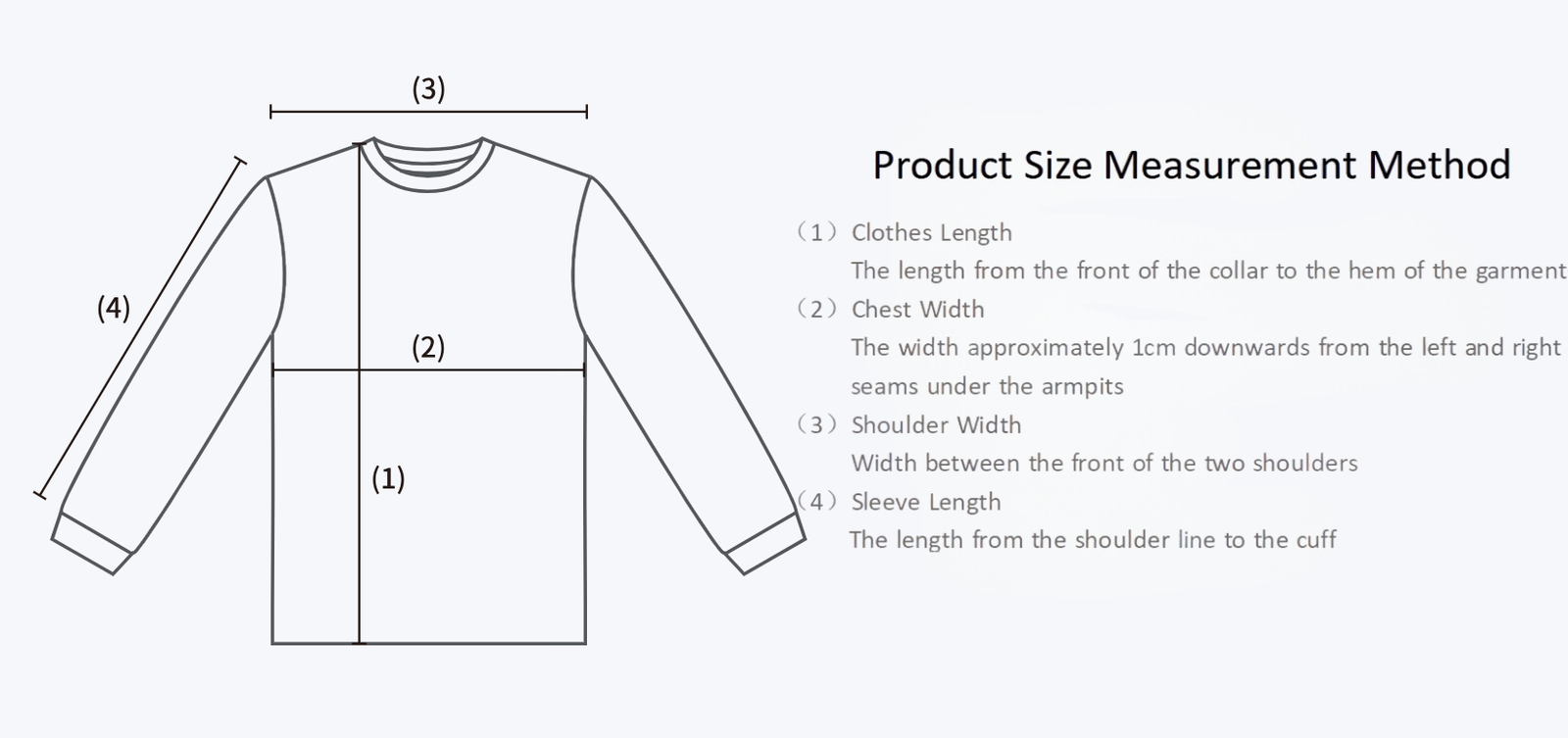
Learning how to measure for jerseys properly can save you a great deal of frustration later. The process is straightforward but requires precision:
Chest: Measure around the fullest part of the chest while keeping the tape flat.
Shoulder: Measure across the back from shoulder point to shoulder point.
Length: Measure from the highest point of the shoulder to the hemline.
Sleeve: Start from the shoulder seam to the wrist bone.
Always measure while standing upright but relaxed — players’ postures during sports may differ slightly. Comparing those measurements with your supplier’s sizing chart ensures each player gets the fit they expect.
Understanding International Jersey Size Conversion
When ordering internationally, international jersey size conversion becomes crucial. American, European, and Asian sizing standards differ more than most buyers realize. A U.S. Large might equal an EU Medium or an Asian XL.
To prevent confusion, always request an international conversion chart from your vendor and verify each player’s measurements against it. Clear communication with suppliers — especially if they operate in another country — can prevent a cascade of misfitted jerseys and production delays.
It’s also helpful to know regional size standards, as some brands tailor their fits for specific markets.
Fit Types: Slim, Regular, or Relaxed
One of the most overlooked aspects of jersey orders is the fit comparison. A “slim fit” is tailored for athletic silhouettes, while “regular” fits provide balance between comfort and contour. “Relaxed fit,” often chosen for youth or recreational teams, gives more breathing room and ease of movement.
Different fabrics can also affect fit — polyester and spandex blends may stretch more, whereas cotton-based jerseys can feel snug. Always factor in fabric stretch and fit in sportswear when finalizing your team’s preferred cut.
Common Sizing Mistakes in Bulk Orders
Even experienced buyers make errors when managing common sizing mistakes in bulk jersey orders. The most frequent ones include:
Ignoring regional conversions and assuming standard fits.
Relying on garment tags instead of actual body measurements.
Forgetting to test-fit samples before bulk confirmation.
Misjudging fabric flexibility, especially for performance materials.
Avoid these pitfalls by maintaining a team ordering process checklist — record every player’s measurements, confirm them twice, and verify the supplier’s final chart before production begins.
Custom Team Jersey Sizes and Design Considerations
When designing custom team jersey sizes, aesthetics meet practicality. Every design element — from collar style to custom logo placement and fit — can subtly influence how the jersey drapes on the body.
For example, embroidered patches or printed emblems may stiffen the fabric in certain areas, slightly affecting flexibility. Hence, it’s wise to coordinate design and size selection simultaneously to ensure the perfect fit once the final print is applied.
The Role of Wholesale Sizing Guides
For retailers, suppliers, or large distributors, a wholesale jersey sizing guide serves as the backbone of efficient ordering. Unlike retail guides, which focus on individual fit, wholesale sizing prioritizes standardization — ensuring that bulk batches maintain consistent sizing across production runs.
A well-documented sizing guide reduces customer complaints, simplifies reorders, and builds brand credibility. Whether your clients are amateur clubs or professional leagues, sizing consistency defines quality perception.
Practical Sizing Tips for Team Uniforms
Before closing your order, apply these sizing tips for team uniforms:
Account for body movement: Athletes stretch, sprint, and jump — leave slight room for motion.
Plan for uniform layering: Some players wear base layers or compression shirts underneath.
Check sample fits: Always test at least one piece from the supplier’s sizing batch.
Document everything: Maintain measurement records for future reorders or size adjustments.
Getting sizing right isn’t just about comfort — it’s about presenting a cohesive, professional image on the field.

Conclusion: Precision Creates Performance
In the world of sports apparel, small details make a big difference. Using verified jersey sizing charts and following the correct measurement process ensures your team’s jerseys look as sharp as they feel. From understanding regional conversions to fabric behavior and design placement, every factor contributes to the final fit.
When ordering in bulk, preparation is everything. The right size equals the right performance — and that’s what every winning team deserves.