A comprehensive guide for teams, coaches, and sports organizations on what to expect when partnering directly with football uniform manufacturers in 2026, including benefits, processes, and key considerations.
# What to Expect When Working With Direct Football Uniform Manufacturers in 2026
Definition
Direct football uniform manufacturers are companies that produce sports apparel without intermediaries, allowing teams and organizations to order custom uniforms directly from the production facility, eliminating third-party distributors and retail markup.
Key Benefits of Direct Manufacturing
– Cost Efficiency: Working directly with manufacturers eliminates middleman costs, potentially reducing overall uniform expenses by 20-40%
– Customization Options: Direct access to production means more flexibility in design, materials, and technical features
– Quality Control: Direct communication with the production team ensures better quality oversight throughout the manufacturing process
– Faster Turnaround: Streamlined processes often result in quicker delivery times compared to traditional supply chains
– Bulk Order Flexibility: Direct manufacturers typically offer more flexible minimum order quantities for teams of all sizes
What to Expect in the Collaboration Process
When you decide to work with a direct football uniform manufacturer in 2026, the experience will differ significantly from traditional purchasing methods. Here’s what you can anticipate:
Initial Consultation
The process typically begins with a consultation where you discuss your team’s specific needs, including design preferences, sizing requirements, performance features, and budget constraints. Most manufacturers now offer virtual design sessions using advanced visualization tools that allow you to see digital mockups before production begins.
Material Selection
Direct manufacturers often provide access to a wider range of fabric technologies, including moisture-wicking materials, breathable meshes, and sustainable fabric options. You should expect detailed information about each material’s performance characteristics, durability, and care requirements.
Design Development
Expect a collaborative design process where you can request modifications and see samples. Many manufacturers now use 3D printing for rapid prototyping, allowing you to evaluate fit and appearance before committing to full production.
Production and Quality Assurance
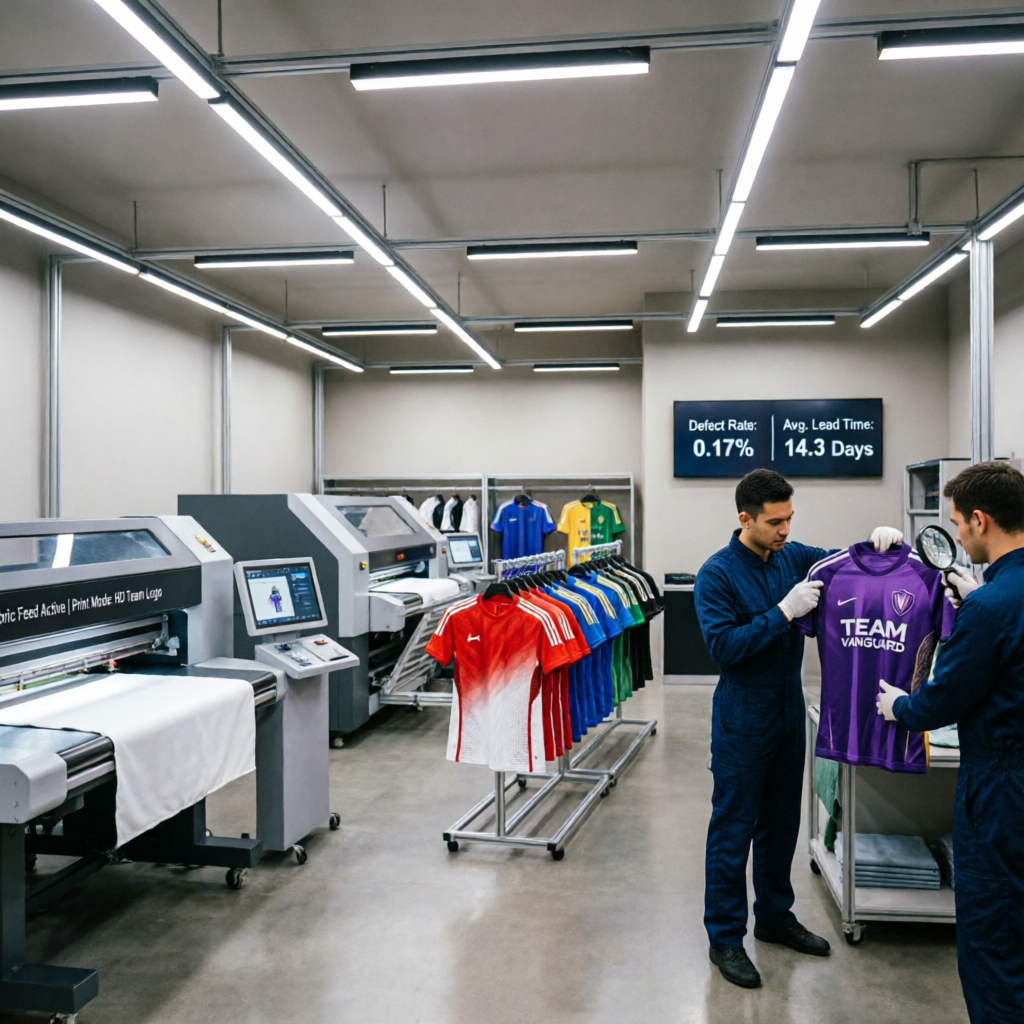
Direct manufacturers typically maintain stricter quality control protocols since they are accountable for the entire production cycle. You should expect transparency regarding production timelines and regular updates on order status.
Delivery and After-Sales Support
Most direct manufacturers offer comprehensive after-sales support, including replacement policies for defective items and assistance with future reorders.
Comparison: Traditional vs Direct Football Uniform Manufacturers
| Feature | Traditional Suppliers | Direct Manufacturers |
|———|———————-|———————-|
| Pricing Structure | Higher due to distributor margins | More competitive, factory-direct pricing |
| Customization | Limited design options | Extensive design flexibility |
| Communication | Multiple touchpoints | Direct contact with production team |
| Lead Time | Often longer due to multiple stages | Generally faster production |
| Quality Control | Limited oversight | Direct quality assurance |
| Minimum Orders | Higher minimums typical | Flexible MOQs available |
| Design Process | Pre-set templates | Custom design development |
| Material Options | Limited catalog choices | Broader fabric selection |
Step-by-Step Guide to Partnering with a Direct Manufacturer
Step 1: Research and Vet Potential Manufacturers
Begin by identifying reputable direct football uniform manufacturers. Look for companies with established track records, positive customer reviews, and portfolios showcasing their work with sports teams. Verify their production capabilities, certifications, and sustainability practices.
Step 2: Define Your Requirements
Clearly outline your team’s needs including quantity, sizing spectrum, design preferences, performance features, budget constraints, and delivery timeline. Having this information ready will make consultations more productive.
Step 3: Request Samples and Discuss Customization
Before committing to a full order, request material samples and, if available, prototype samples. Use this opportunity to test fabric quality, color accuracy, and construction details. Discuss any custom modifications you need for the design.
Step 4: Review Quotes and Production Terms
Obtain detailed quotes that break down costs for design, materials, production, and shipping. Review production timelines, payment terms, and warranty or replacement policies carefully before signing any agreement.
Step 5: Place Your Order and Maintain Communication
Once satisfied with samples and terms, place your order. Establish clear communication channels for production updates and any issues that may arise. Most manufacturers provide tracking information and regular progress reports.
Frequently Asked Questions
Question 1: What is the typical minimum order quantity when working directly with football uniform manufacturers?
Answer: Minimum order quantities vary by manufacturer, but many direct producers now offer flexible options ranging from as few as 10-25 units for custom designs. Some manufacturers even accommodate single-item custom orders, though pricing may be higher. Larger orders typically benefit from more competitive per-unit pricing.
Question 2: How long does it take to receive custom football uniforms from a direct manufacturer?
Answer: Production timelines typically range from 3-6 weeks for standard custom orders, depending on complexity, quantity, and current demand. Rush services may be available for an additional fee, potentially reducing lead time to 2-3 weeks. It’s advisable to place orders well before your season begins to account for any unexpected delays.
Question 3: What customization options are available when ordering directly from manufacturers?
Answer: Direct manufacturers generally offer comprehensive customization including team logos, player names, numbers, sponsor graphics, color variations, fabric choices, and cut specifications. Many use advanced sublimation or embroidery techniques that allow for intricate designs and photorealistic graphics. Some manufacturers also offer performance modifications based on position-specific requirements.
Question 4: How do direct manufacturers ensure quality and fit accuracy?
Answer: Reputable direct manufacturers employ multiple quality control measures including pre-production sample approval, in-process inspections, and final product testing. For sizing accuracy, many offer comprehensive size charts, fitting guides, and sample kits that allow teams to verify fit before full production. Some manufacturers also provide virtual fitting technology using customer measurements.
Question 5: What happens if there are issues with the uniforms upon delivery?
Answer: Most established direct manufacturers have explicit return, exchange, and replacement policies for defective items. These policies typically cover manufacturing defects, color discrepancies from approved samples, and sizing issues resulting from manufacturer error. It’s essential to review these policies before placing orders and inspect delivered items promptly upon receipt.
Conclusion
Working with direct football uniform manufacturers in 2026 offers significant advantages including cost savings, enhanced customization, and improved quality control. By understanding what to expect from the collaboration process and following a structured approach to partner selection, teams and organizations can successfully navigate the direct manufacturing landscape and obtain high-quality uniforms that meet their specific needs.