
A comprehensive guide on developing effective pricing strategies and sales approaches for team soccer uniform packages targeting local football clubs, covering cost analysis, value positioning, and relationship building.
The market for team soccer uniforms presents significant opportunities for suppliers who understand the unique needs of local clubs. Unlike professional teams, local clubs operate with constrained budgets, require flexible ordering options, and prioritize durability and practicality over premium branding. This guide provides a systematic approach to pricing and selling uniform packages that balances profitability with the practical requirements of community sports organizations.
Definition
What is pricing and selling team soccer uniforms packages? It is the strategic process of developing, pricing, and marketing complete uniform bundles to local football clubs, involving cost calculation, value communication, and relationship-based salesmanship tailored to community sports organizations.
- Understanding club budget constraints and purchasing cycles
- Calculating comprehensive costs including customization and shipping
- Creating tiered package options to accommodate different budgets
- Building trust through product demonstrations and references
- Establishing long-term relationships with club administrators
- Providing efficient order management and delivery systems
Understanding the Local Club Market
Local soccer clubs operate differently from professional organizations. Their purchasing decisions typically involve committee discussions, parent volunteers, and annual budget planning. Understanding these dynamics is essential for successful sales. Clubs usually purchase uniforms once per season, with peak buying periods occurring before the start of the competitive season. Many clubs operate on limited funds raised through player fees, sponsorships, and fundraising events, making cost sensitivity a primary concern.
Club decision-makers often include coaches, parent coordinators, and board members. Each group has different priorities: coaches prioritize performance and durability, while coordinators focus on ease of ordering and budget management. Building relationships with multiple stakeholders increases your chances of securing contracts. Consider joining local sports associations and attending community events to establish your presence in the market.
Defining Your Uniform Package Offerings
Successful uniform suppliers offer structured packages that simplify the purchasing process for clubs. A comprehensive package typically includes jerseys, shorts, socks, and optional items such as training gear, tracksuits, and goalkeeper equipment. Consider creating three to four package tiers to address different budget levels and requirements.
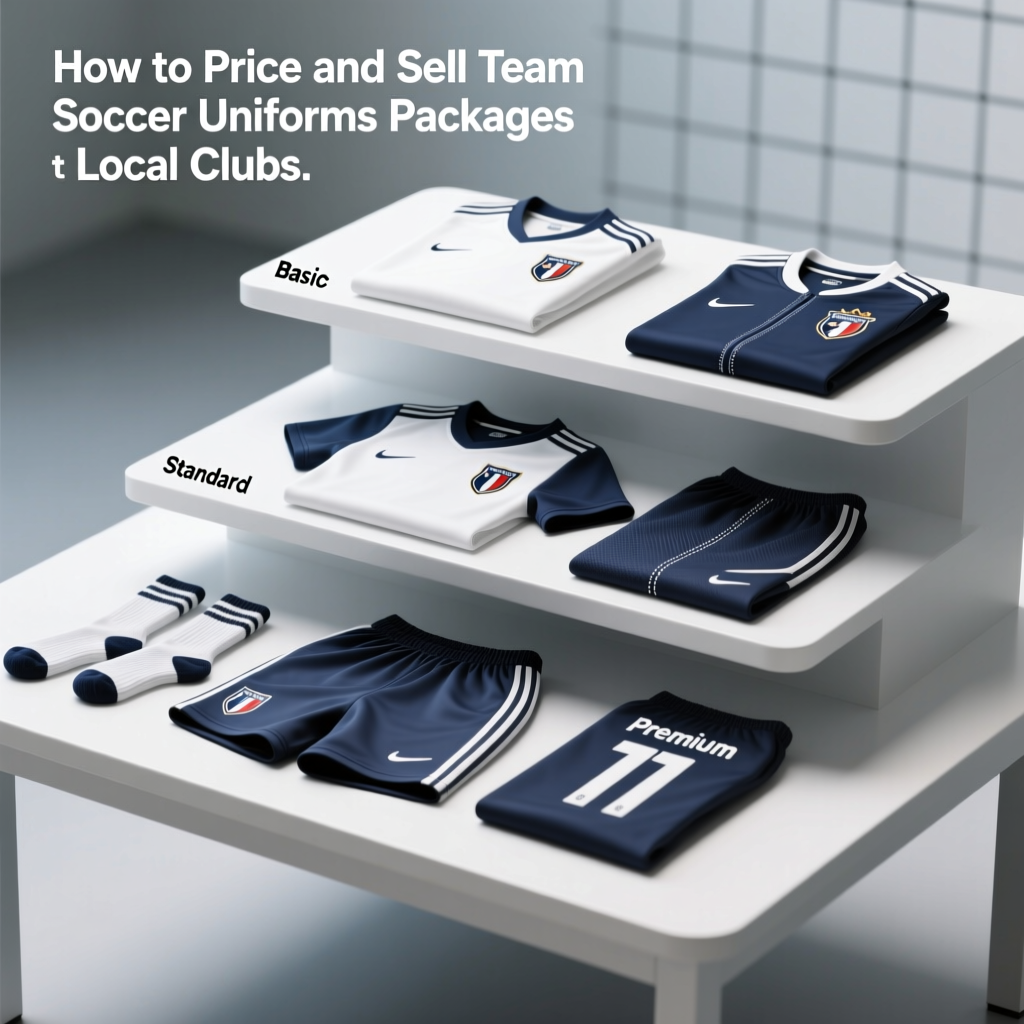
- Basic Package: Essential match uniform including jersey, shorts, and socks at competitive pricing
- Standard Package: Complete match uniform plus training shirt and optional customization
- Premium Package: Full customization, high-quality materials, additional accessories, and priority service
- Custom Design Service: Club-specific designs with logo placement and color matching
Cost Analysis and Pricing Strategy
Accurate cost calculation forms the foundation of sustainable pricing. Your costs should include product costs, customization expenses (embroidery, printing, numbers), packaging, shipping, and overhead allocation. Many suppliers make the mistake of underestimating hidden costs, leading to reduced profitability on bulk orders.
| Feature | Traditional Pricing | Modern Package Approach |
|---|---|---|
| Pricing Method | Per-item markup | Bundle pricing with margin spread |
| Customization | Charged separately | Included in package tiers |
| Order Minimums | High minimum quantities | Flexible minimums per package |
| Payment Terms | Full payment upfront | Partial payment with installment options |
| Lead Time | 4-6 weeks standard | 2-3 weeks with rush options |
When setting prices, aim for a gross margin of 40-60% on packages to cover operational costs and generate profit. Factor in volume discounts for larger clubs, but maintain consistency in your pricing structure to avoid confusion. Consider offering early-bird pricing for orders placed before peak seasons to improve cash flow and production planning.
Step-by-Step Sales Process
- Step 1: Research local clubs in your target area, identifying decision-makers and their purchasing timelines
- Step 2: Prepare product samples and package proposals tailored to different club sizes and budgets
- Step 3: Contact club administrators to introduce your offerings and schedule product demonstrations
- Step 4: Present package options, emphasizing value, durability, and customization possibilities
- Step 5: Provide quotes with clear pricing breakdowns and payment terms
- Step 6: Follow up promptly and address any concerns or customization requests
- Step 7: Secure orders with written confirmation and deposit arrangements
- Step 8: Ensure timely production and delivery with regular communication updates
Building Relationships and Closing Sales
Long-term success in this market depends heavily on relationships. Clubs value suppliers who understand their challenges and provide reliable service. Maintain communication throughout the year, not just during purchasing seasons. Offer exceptional after-sales service, including replacement policies for defective items and quick turnaround on reorder requests. Positive word-of-mouth from satisfied clubs is your most effective marketing tool.
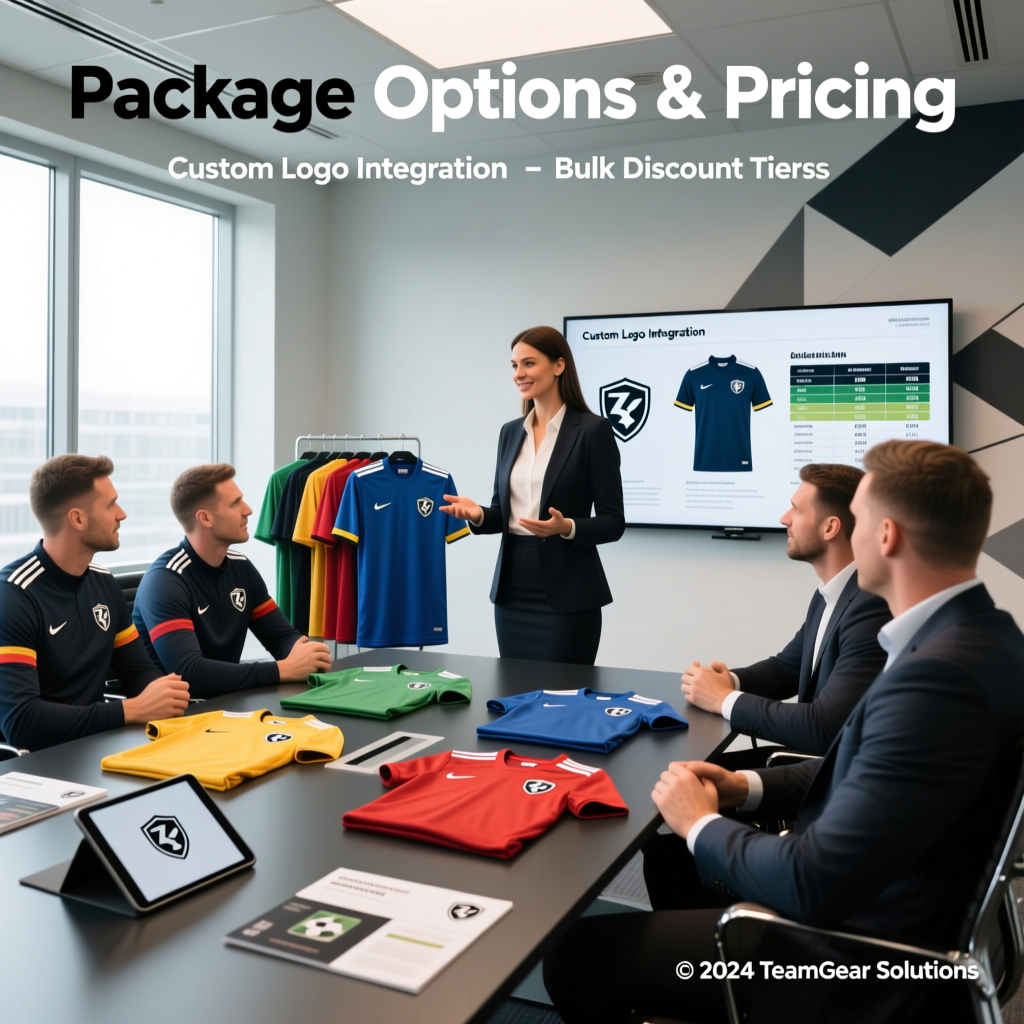
Consider offering referral incentives to existing club contacts. When one club recommends your services to another, the trust transfer significantly accelerates the sales process. Additionally, sponsoring local tournaments or providing uniforms for community events increases brand visibility and establishes goodwill within the club community.
Frequently Asked Questions
- {“answer”:”Minimum order quantities vary by supplier and package type. Many suppliers offer flexibility for local clubs, with minimums ranging from 10 to 25 sets per order. Some provide mix-and-match options for teams with fewer players.”,”question”:”What is the minimum order quantity for team soccer uniforms?”}
- {“answer”:”Standard production typically takes 2-4 weeks from order confirmation to delivery. Rush services are often available for an additional fee, reducing lead time to 1-2 weeks. Planning ahead during off-season periods helps avoid rush fees.”,”question”:”How long does it take to produce and deliver custom club uniforms?”}
- {“answer”:”Common customization options include club crests, sponsor logos, player names, and numbers. embroidery provides durability for frequent washing, while sublimation printing offers vibrant full-color designs. Most suppliers offer digital design services to visualize final products before production.”,”question”:”What customization options are available for club uniforms?”}
- {“answer”:”Uniforms should be washed in cold water with mild detergent, avoiding bleach and high heat drying. Turning jerseys inside out protects printed designs. Following proper care instructions can extend uniform life by several seasons.”,”question”:”How should clubs care for their team uniforms to ensure longevity?”}
- {“answer”:”Many suppliers offer replacement programs for growing players or damaged uniforms. Some include reorder discounts in their package pricing. Discuss replacement policies when negotiating your club’s initial order.”,”question”:”Do suppliers offer replacement uniforms for growing players?”}
- {“answer”:”Payment terms vary by supplier and order size. Common options include full payment upfront, 50% deposit with balance due upon delivery, or installment plans for larger orders. Building a payment history with suppliers can lead to more flexible terms over time.”,”question”:”What payment terms are typically offered to local clubs?”}
Success in selling team soccer uniforms to local clubs requires patience, product knowledge, and genuine commitment to serving community sports. By understanding club needs, offering flexible packages, and building lasting relationships, suppliers can create sustainable businesses while helping young athletes look and perform their best.