
A comprehensive guide to sourcing high-quality custom Portugal jerseys for Euro and World Cup events. Learn about material selection, supplier evaluation, quality indicators, and procurement strategies for sports merchandise businesses.
The European Championship and FIFA World Cup generate significant demand for national team merchandise, particularly jerseys. For businesses, sports retailers, and event organizers seeking to offer Portugal national team replicas, understanding the sourcing landscape is essential. This guide examines the critical factors in procuring quality custom Portugal jerseys while maintaining authenticity standards and cost efficiency.
Definition
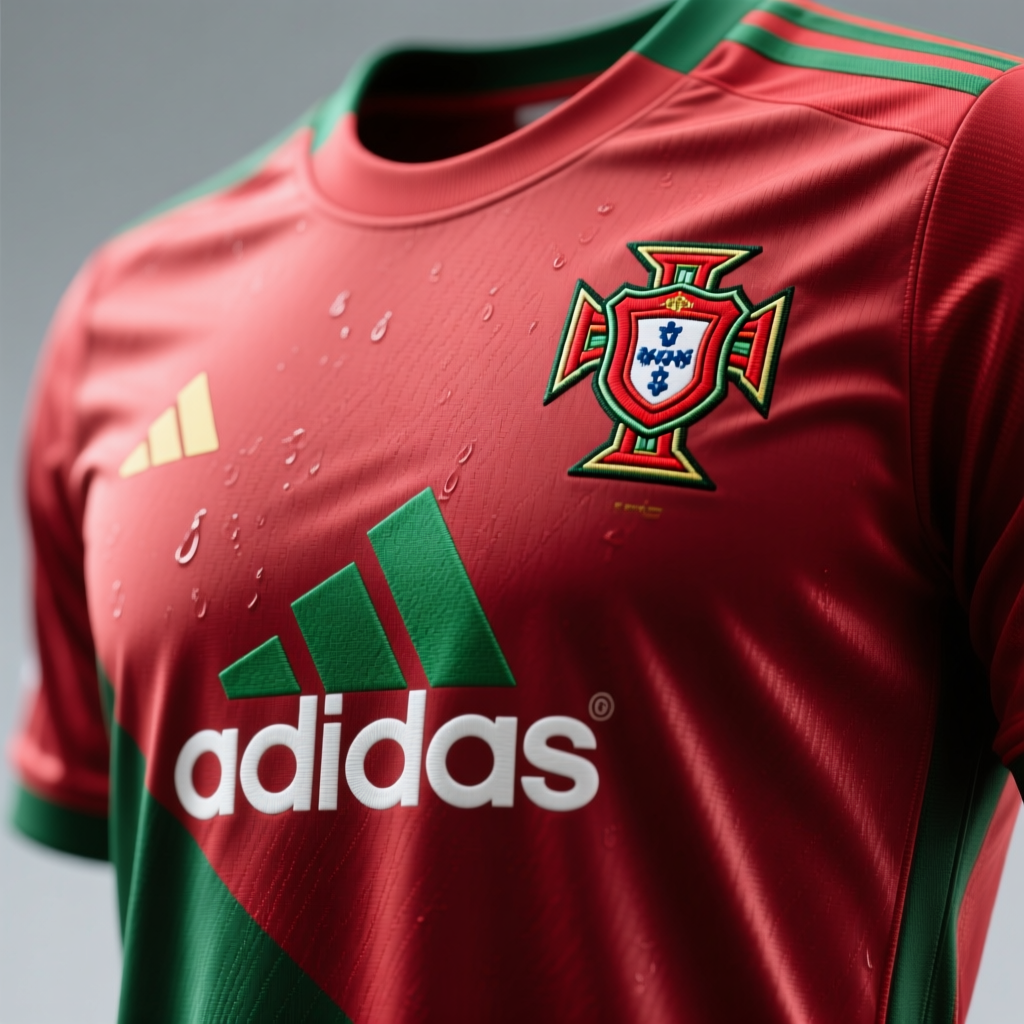
What are custom Portugal jerseys? Custom Portugal jerseys are replica garments bearing the official or inspired design of the Portugal national football team, available for bulk or personalized orders through authorized manufacturers or licensed suppliers.
Key Considerations for Sourcing Quality Replicas
- Material Quality: Prioritize polyester fabrics with moisture-wicking properties and breathable mesh construction for athletic performance
- Embroidery and Printing Standards: Verify that crests, badges, and sponsor logos meet official specifications with accurate color codes
- Supplier Licensing: Confirm that manufacturers hold appropriate licensing or authorization for producing team merchandise
- Size Consistency: Request size charts and sample garments to ensure uniform measurements across bulk orders
- Minimum Order Quantities: Evaluate supplier requirements against your projected demand for Euro and World Cup events
- Production Lead Times: Account for manufacturing timelines, shipping, and quality inspection before target sales dates
When evaluating potential suppliers, conducting thorough due diligence helps mitigate risks associated with counterfeit products or substandard manufacturing. Reputable sports merchandise sourcing guides recommend requesting fabric samples and production samples before committing to large orders. The Portuguese Football Federation maintains official licensing partnerships that distinguish authorized replicas from unauthorized copies.
Comparison of Sourcing Methods
| Feature | Traditional Sourcing | Modern Sourcing |
|---|---|---|
| Supplier Discovery | Trade shows, industry contacts | Online B2B platforms, digital directories |
| Sample Verification | Physical samples via mail | Digital imagery, video inspection |
| Communication | Email, telephone, fax | Instant messaging, video calls |
| Payment Terms | Letter of credit, bank transfer | Escrow services, digital payment platforms |
| Shipping Tracking | Manual updates, limited visibility | Real-time logistics tracking |
| Quality Assurance | Third-party inspection agencies | Integrated QC platforms with documentation |
Modern digital platforms have transformed jersey procurement by enabling direct connections between buyers and manufacturers, reducing intermediaries and associated costs. However, traditional methods remain valuable for establishing personal relationships and verifying physical product quality. Industry trade publications document how hybrid approaches combining both methods often yield optimal results for sports merchandise businesses.
Step-by-Step Procurement Process
- Step 1: Define Requirements – Establish specifications including quantity, customization options, delivery timeline, and budget parameters for your Portugal jersey order
- Step 2: Research Suppliers – Identify potential manufacturers through industry directories, trade show attendance, and peer recommendations within the sports merchandise sector
- Step 3: Request Samples – Order sample garments from shortlisted suppliers to evaluate material quality, construction, and print or embroidery precision before bulk production
- Step 4: Verify Credentials – Confirm supplier licensing status, production capacity, and customer references to ensure reliability and compliance with brand protection standards
- Step 5: Negotiate Terms – Finalize pricing, payment schedules, quality guarantees, and delivery commitments through formal purchase agreements
- Step 6: Place Production Order – Submit final artwork, specifications, and quantities to begin manufacturing with agreed-upon quality checkpoints
- Step 7: Quality Inspection – Conduct thorough examination of finished products before shipping to verify compliance with all requirements
Successful procurement hinges on establishing clear communication channels throughout the production cycle. Monitoring manufacturing progress through regular updates helps identify and address potential issues before they escalate. For major tournament merchandise collections, building buffer time into production schedules accommodates quality refinements and unforeseen logistics challenges.
Frequently Asked Questions
Understanding the nuances of jersey procurement enables businesses to make informed decisions when sourcing Portugal national team merchandise. Whether preparing for UEFA European Championship or FIFA World Cup events, careful supplier selection and quality verification protect your investment while ensuring customer satisfaction with authentic-looking replicas.
For additional guidance on custom sports apparel wholesale sourcing, explore our comprehensive resources covering supplier evaluation, quality management, and international shipping logistics for merchandise businesses.