
The Rules of Jersey Numbering: Understanding World Cup Regulations
When we think of the World Cup, images of iconic players in their brightly colored jerseys come to mind—Brazil’s yellow and green, Argentina’s sky-blue stripes, and France’s royal blue. But behind the artistry of these football kits lies a system that’s far more structured than it may appear: jersey numbering rules. These rules not only determine the numbers players wear but also have deep historical and cultural significance. Understanding how FIFA jersey number regulations have evolved and how they shape the modern game gives us a glimpse into the tradition and symbolism that makes football such a global spectacle.

The Basics: FIFA Jersey Number Regulations and World Cup Squad Numbering
In the early days of football, players wore shirts with no set numbering system. Over time, however, the introduction of squad numbers in football became essential for both practical and symbolic reasons. The first significant shift came when FIFA implemented the use of numbers to represent specific positions on the field. In the World Cup tournaments, this has had a major influence on how players are assigned their numbers, ensuring consistency and clarity for both players and spectators.
FIFA’s current jersey numbering rules state that each player in a World Cup squad is assigned a number between 1 and 23. Numbers 1 to 11 generally correspond to starting positions, while the numbers 12 to 23 are reserved for substitutes. This numbering system is rooted in the position of the player. For example, number 1 is almost always assigned to the goalkeeper jersey number, reflecting the traditional role of the keeper as the last line of defense.
The Role of Numbers in Football: From Tradition to Innovation
The numbering system in football is steeped in history. The earliest systems were designed to identify players based on their positions, with numbers 1 through 11 assigned to specific roles on the pitch. For example, number 9 became synonymous with the center forward or striker, and number 10 became iconic as the number of the team’s creative playmaker—think Pelé, Diego Maradona, or Lionel Messi.
As football evolved and the World Cup squad numbering expanded to include more players, the connection between certain numbers and specific roles began to blur. While the traditional roles of numbers like 1, 9, and 10 remained, more fluid squad numbering emerged. Today, many iconic football jersey numbers are chosen based on player preference rather than strictly adhering to positional traditions. For example, Cristiano Ronaldo’s number 7 is a symbol of his global brand and personal legacy, not just his position on the field.
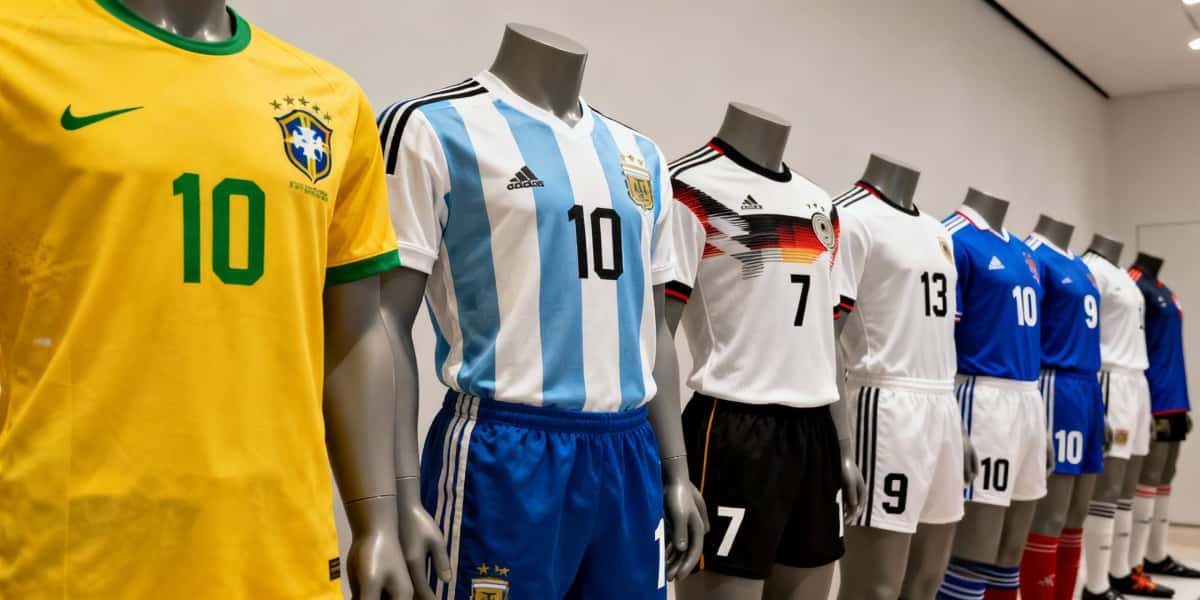
The Iconic Number 10: Legacy and Symbolism
When we discuss football shirt numbers, the number 10 stands out as one of the most iconic in football history. It’s a number that has become synonymous with the creative genius of attacking players. From Pelé to Maradona, and more recently, Messi, the number 10 jersey has come to symbolize a player with exceptional vision, skill, and leadership. This number often carries more than just a positional or numerical value—it represents the heartbeat of the team, the player who is expected to make the difference in pivotal moments.
The legacy of the number 10 transcends the pitch. For fans, it’s a symbol of excellence. For players, it’s a source of immense pride and responsibility. Wearing the number 10 football jersey is not only about being a part of the team but about carrying the weight of a nation’s hopes during the most significant tournament in the world.

Controversies and Discussions Around Jersey Numbering
While some players are known for their iconic football jersey numbers, there have also been instances of controversy surrounding jersey numbering rules. These disagreements often arise when players are assigned numbers that seem out of place, or when players demand certain numbers for personal or symbolic reasons. For example, number 9, traditionally reserved for a central striker, may be worn by a winger, leading to debates about whether the numbering system should still follow traditional roles or allow more flexibility.
Another notable controversy surrounds captains’ numbers. The captain’s role is so central to a team’s leadership that some countries insist on assigning their captain a particular number, often number 10 or number 7, which can sometimes create tension if another player already claims that number. The number symbolism in football also plays into these conflicts, as certain numbers are seen as more prestigious or significant than others.
The Modern Football Player Numbering System: Flexibility and Commercialization
In the modern era, with the expansion of squad sizes and a more fluid approach to team tactics, the football player numbering system has become increasingly flexible. While the traditional 1-11 setup still largely holds for many teams, there’s room for player preference. The World Cup squad numbering now allows players to choose numbers outside the original 1-23 range, reflecting personal preferences and branding strategies.
This flexibility is not only practical but also closely linked to the commercialization of football. As the sport has evolved into a multi-billion-dollar industry, jersey numbers have become marketing tools in their own right. Players like Cristiano Ronaldo and David Beckham, who are globally recognized, have turned their numbers into lucrative personal brands, making football jersey marketing and merchandise an integral part of the footballing world.
Goalkeeper Jersey Number: Tradition vs. Modern Practice
The goalkeeper jersey number traditionally holds a special place in the world of football. Number 1 has been assigned to goalkeepers for decades, marking them as the most critical player on the pitch in terms of defense. However, in modern football, some teams have chosen to break with this tradition. A goalkeeper might wear number 13, 22, or even another high number, a trend that reflects the more modern, flexible approach to squad selection and jersey numbers.
While the number 1 jersey still carries immense symbolic weight for most goalkeepers, it is not always strictly adhered to. Teams like Italy and Brazil, known for their rich footballing traditions, maintain the iconic number 1 for their keeper, but others have opted for more creative numbering.

Conclusion: The Lasting Influence of Jersey Numbers in Football
Jersey numbers in football, especially in the World Cup, are much more than simple identifiers—they are loaded with tradition, emotion, and symbolism. From the goalkeeper jersey number to the iconic number 10, each jersey reflects a unique narrative in football history. The evolution of FIFA jersey number regulations and the growing flexibility in the football player numbering system show how the sport continues to evolve while respecting its past.
For fans, these numbers are a way to connect with their heroes, to idolize the players who wear them, and to celebrate the legacies these numbers have come to represent. As the game evolves, the significance of jersey numbers will continue to shape the identity of the World Cup and the wider football culture, ensuring that these squad numbers in football will remain a powerful symbol of the beautiful game.